Building Surveying Advice and Case Studies
Practical guidance and real examples from building surveys, moisture investigations and repair projects undertaken by AK Surveying Services.
Over £14,000 of Unnecessary Damp Repairs Avoided
How an independent moisture investigation prevented extensive and unnecessary work
Damp and timber defects are not always correctly diagnosed. This does not mean that every damp-proofing contractor provides unsuitable advice; many undertake careful and appropriate work.
However, where the person investigating a defect also sells the proposed treatment, obtaining an independent second opinion can provide valuable protection before extensive and expensive work is authorised.
A recent investigation demonstrates how identifying the actual moisture sources prevented unnecessary removal of sound building fabric and saved a property owner thousands.
The Original Diagnosis
The rental property had been served with an enforcement notice by the local authority. The landlord was therefore under pressure to investigate the reported dampness and complete any necessary repairs.
A timber and damp-proofing contractor inspected the property and produced a report suggesting extensive timber deterioration, including wet rot and the possibility of dry rot. Substantial repairs to the suspended timber floor and surrounding building fabric were recommended.
The proposed work would have involved removing floorboards, replacing timbers, stripping wall finishes and installing damp-proofing treatments. The estimated cost was over £14,000.
Before proceeding, the landlord commissioned AK Surveying Services to undertake an single defect report to get a second opinion as the work required for this rental flat was just mounting.
The Independent Investigation
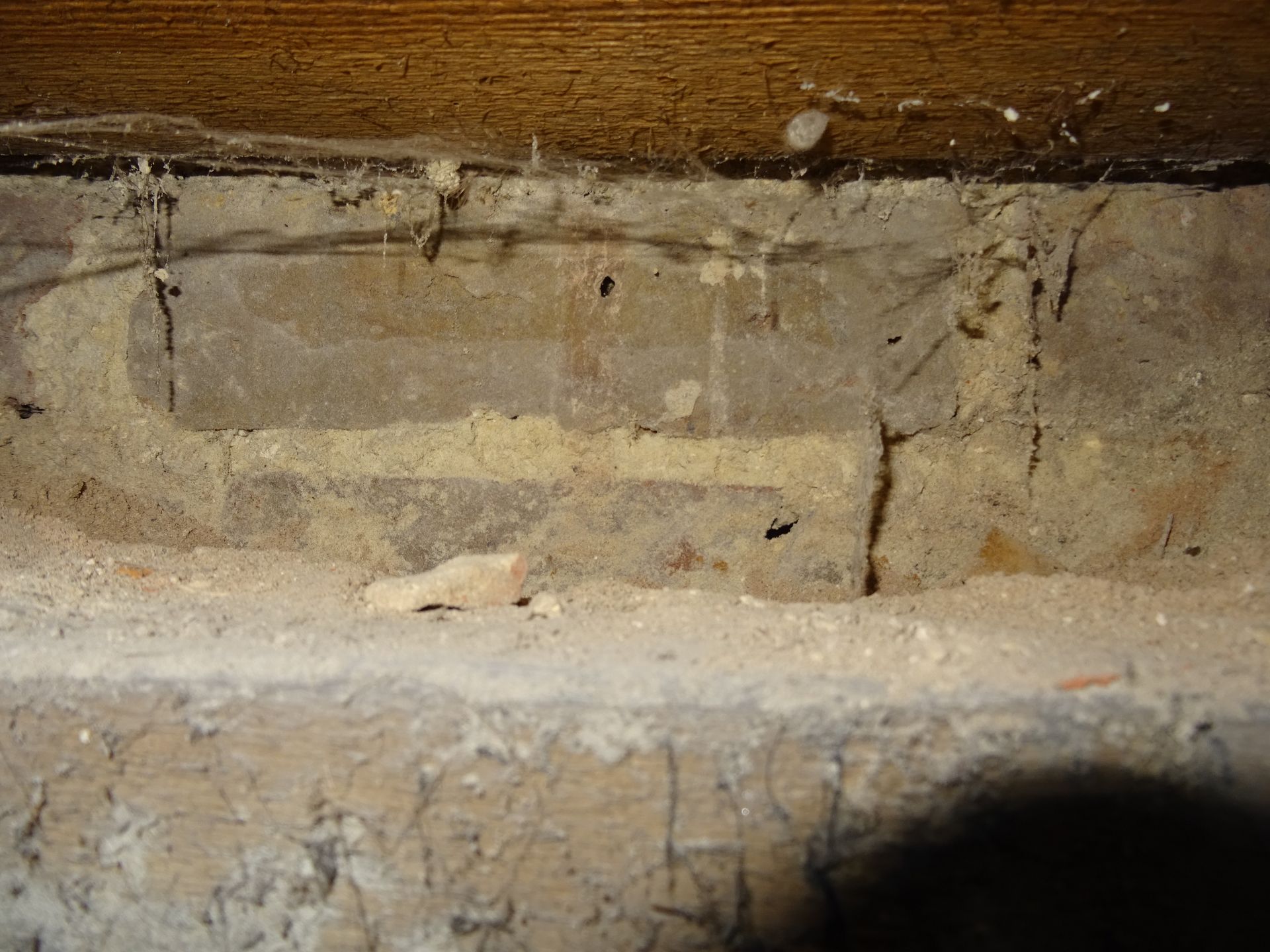
A detailed inspection and controlled opening-up were undertaken to examine the affected floor, walls and concealed building fabric.
The investigation identified two principal moisture sources:
- A relatively minor plumbing leak
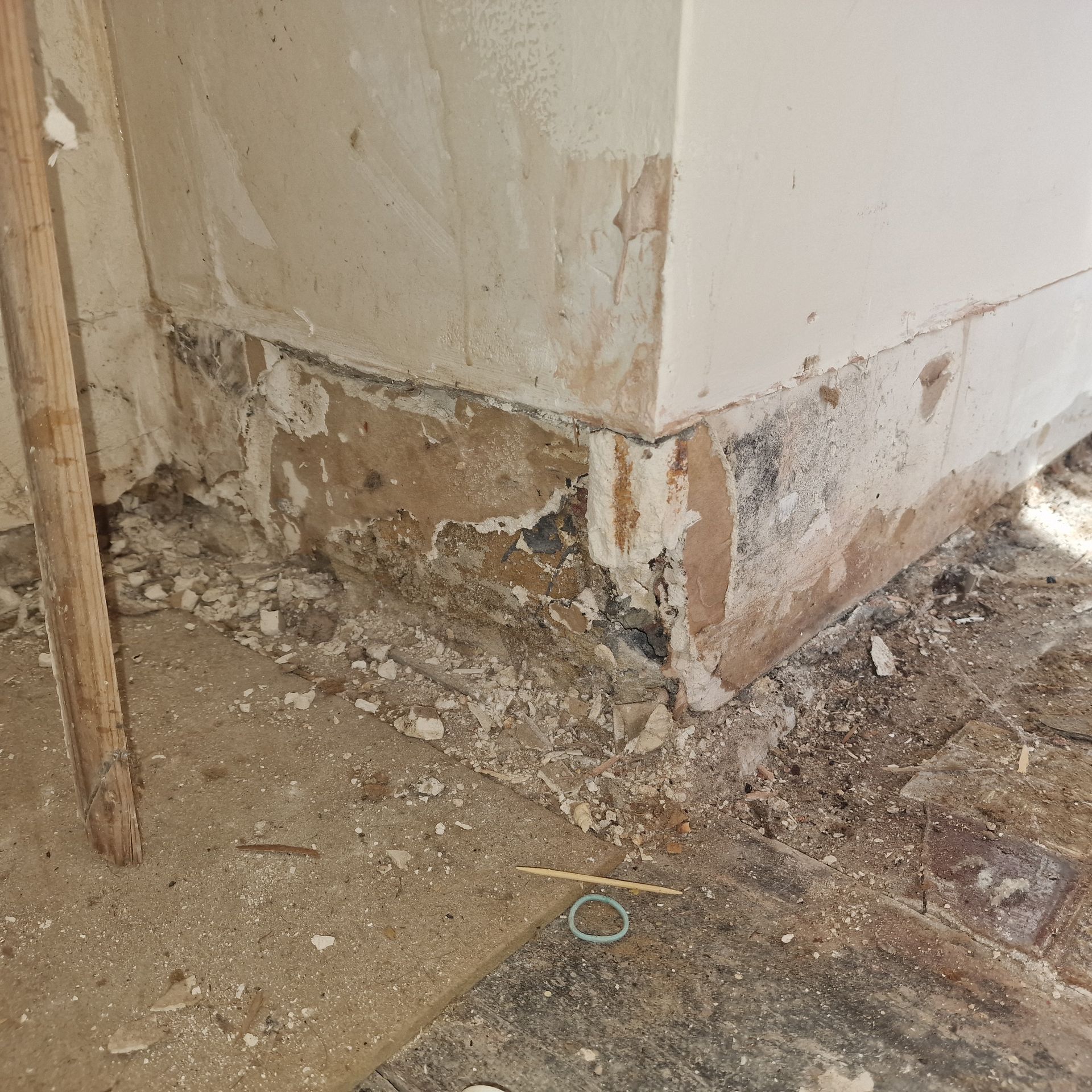
- Localised water penetration at one external corner caused by a defective previous repair
The available evidence did not support the extensive timber-replacement programme that had been recommended.
The original suspended timber floor was performing satisfactorily for its age, and much of the original lath and plaster remained in serviceable condition at the front. No evidence was found that justified wholesale removal of the floorboards, structural timbers or internal wall finishes.
Understanding the Actual Cause
The moisture damage was localised rather than widespread. Repairing the leaking pipe and correcting the defective external detail addressed the identifiable sources of moisture.
This case demonstrates why the pattern, distribution and probable source of moisture must be established before remedial work is specified.
Electrical moisture-meter readings can help identify areas requiring further investigation, but readings alone do not establish the moisture source or prove the existence of rising damp, wet rot or dry rot.
The diagnosis should be supported by the building’s construction, visual evidence, moisture distribution, environmental conditions and, where required, material testing or controlled opening-up.
Traditional Buildings Require Compatible Repairs
One concerning element of the original recommendations was the proposed use of cement-based finishes and chemical damp-proofing treatments on the lower walls.
Traditionally constructed buildings commonly contain permeable materials that allow moisture to move and evaporate. Inappropriate cement renders, impermeable coatings and other incompatible materials can restrict drying and contribute to further deterioration.
Repairs should address the source of moisture and remain compatible with the building’s construction. Treating or concealing the visible symptoms without identifying the cause can result in repeated failure and unnecessary expense.
Why Independent Advice Matters
Where an inspection is provided by a company that also sells damp-proofing treatments, timber replacement or remedial building work, the recommendations may not be entirely independent.
This does not mean that the advice is necessarily incorrect. However, before authorising extensive or disruptive work, property owners should consider obtaining an independent investigation from a surveyor who is not selling the proposed treatment.
An evidence-led investigation can help establish:
- The probable moisture source
- The extent of affected materials
- Whether concealed opening-up is required
- Whether previous repairs have contributed to the problem
- Which repairs are genuinely necessary
- Which materials are compatible with the building
- Whether further specialist investigation is required
The Outcome
The necessary work was limited to repairing the plumbing leak and correcting the defective external detail that was allowing localised water penetration.
The extensive removal and replacement of serviceable timbers, floorboards, lath and plaster was avoided. The property was repaired and returned to use without the unnecessary disruption and expense of the original proposals.
The landlord saved more than £14,000 while retaining sound original building fabric.
The Important Lesson
If you are advised that your property requires extensive damp-proofing, timber replacement or structural repairs, you should not feel pressured into immediately accepting the first recommendation.
Before proceeding, consider whether the investigation is independent or connected to the sale of a particular repair or treatment system.
A specialist moisture investigation can identify the probable cause, assess whether the proposed work is proportionate and provide practical recommendations based on the available evidence.
Single-defect moisture investigations normally start from £450, depending on the property, location and extent of testing or opening-up required.
Identifying and addressing the actual moisture source is generally more effective than simply treating the visible symptoms.
Concerned About a Damp Diagnosis?
If you have been advised that extensive damp-proofing, timber replacement or structural work is required, an independent investigation can help establish whether the proposed work is proportionate and supported by the available evidence.
Single-defect moisture investigations are available for homeowners, landlords, property buyers, managing agents and other property professionals.
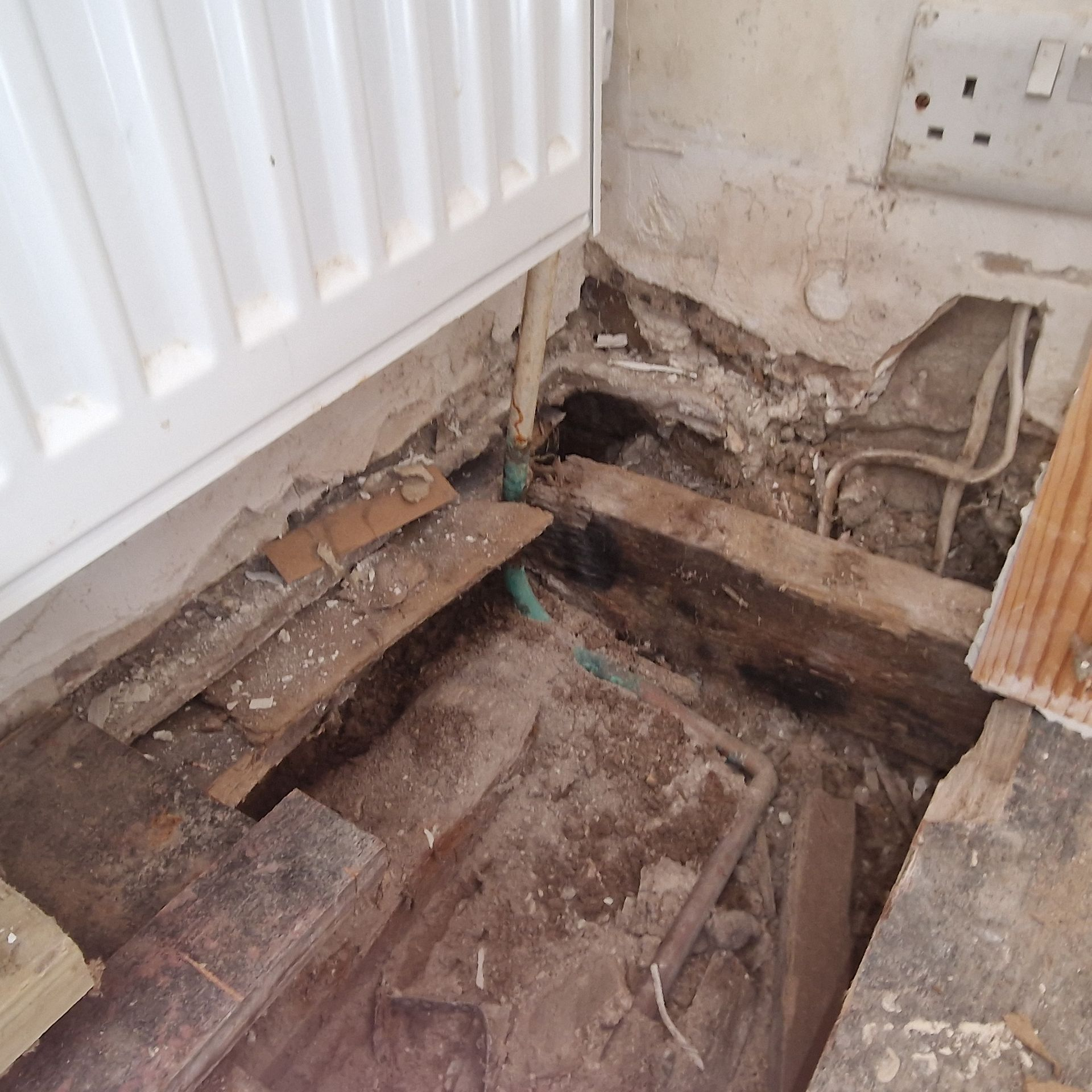
A leaking pipe caused localised moisture damage, but the evidence did not support the extensive timber-replacement programme originally proposed.
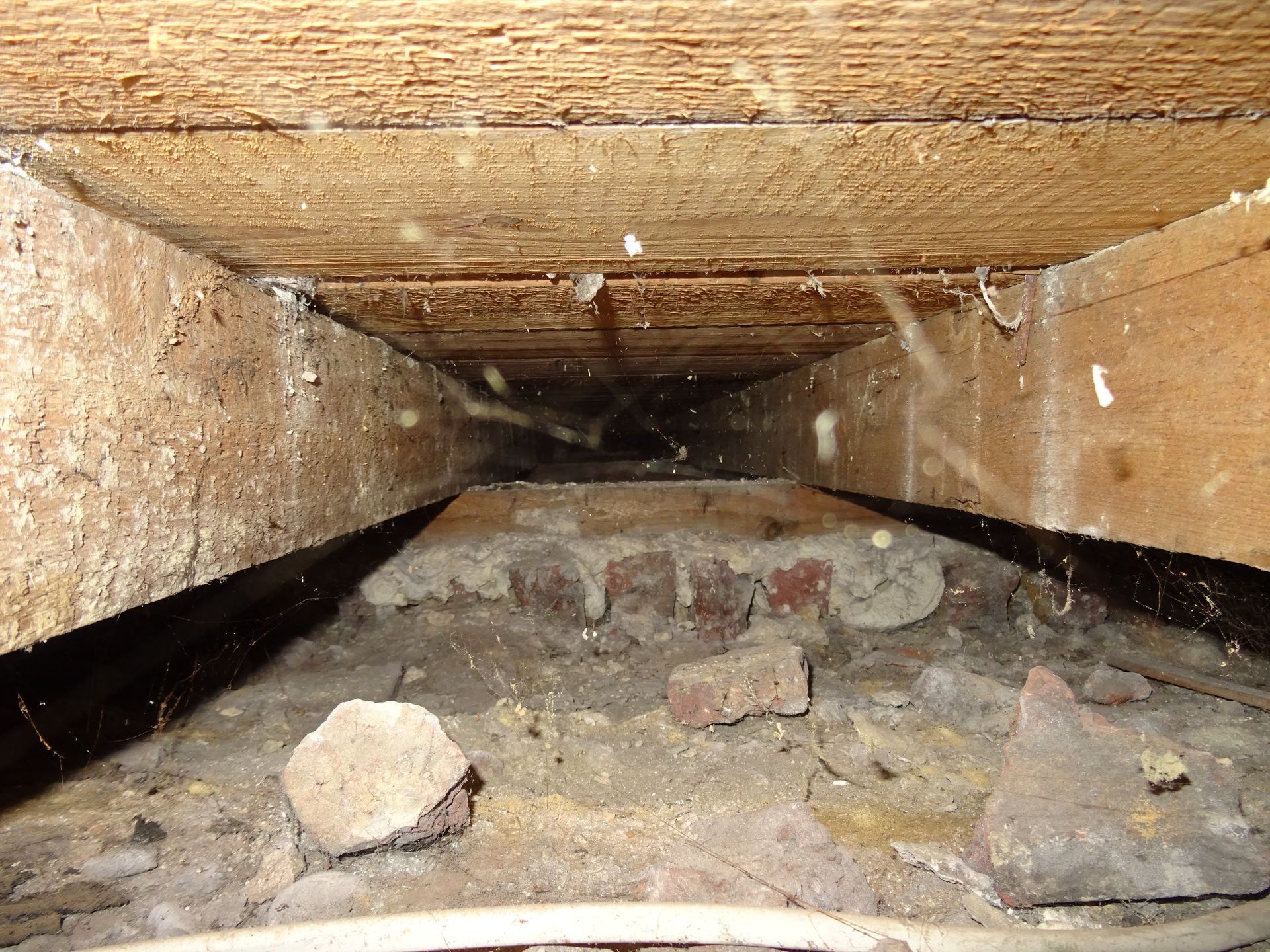
Controlled opening-up confirmed that the principal floor timbers remained serviceable and showed no evidence justifying wholesale replacement.